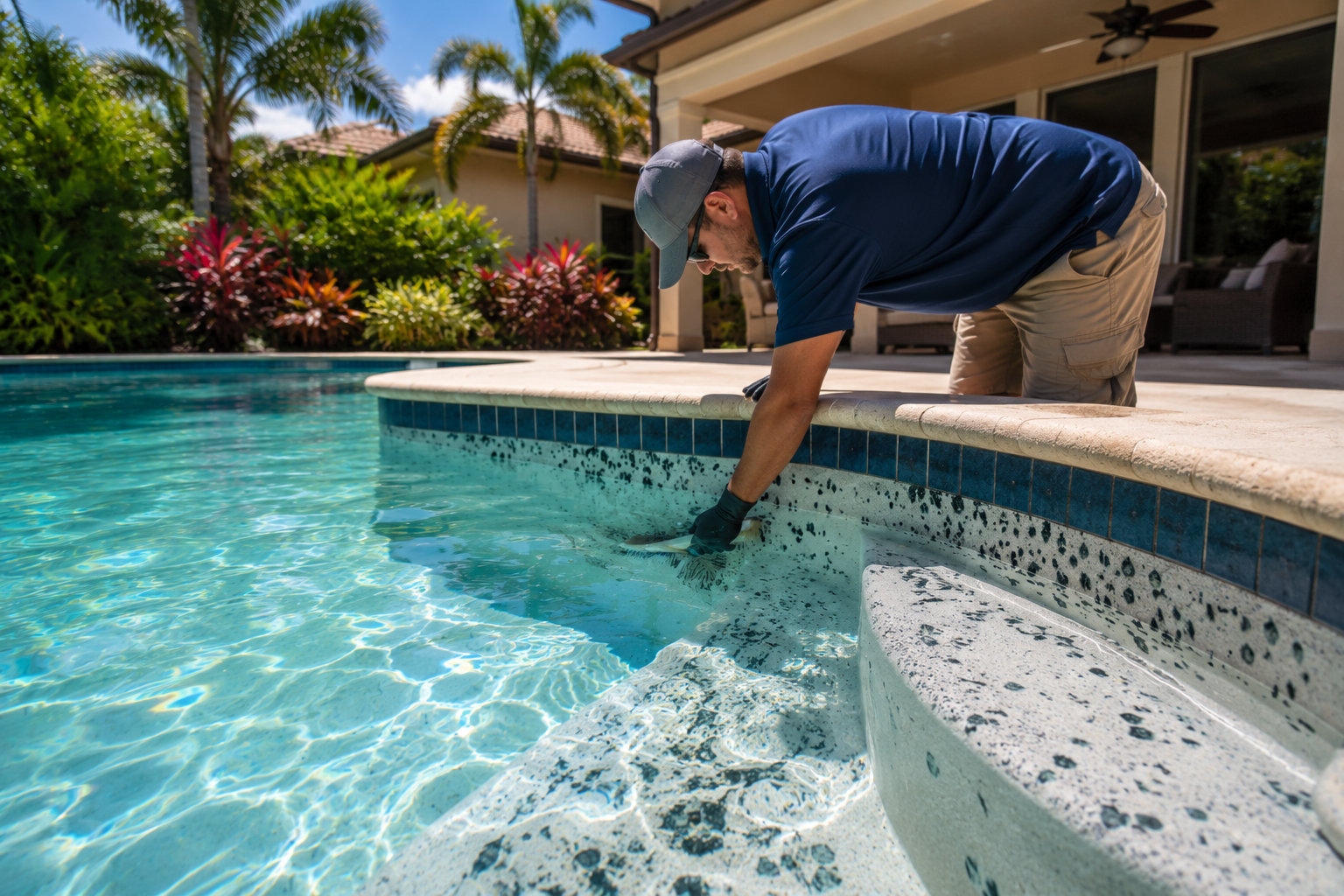
Black algae in pool walls is one of the most frustrating problems pool owners face in Florida. Unlike regular algae, black algae forms deep roots inside porous pool surfaces, making it extremely difficult to remove with basic chemicals alone.
Many homeowners first notice small dark spots forming near steps, corners, or shaded areas of the pool. Over time, those spots spread and become harder to eliminate. If left untreated, black algae can damage pool surfaces and create ongoing water quality issues.
At Aloha Pool Pros, we help homeowners throughout Melbourne, Viera, Suntree, Rockledge, and Brevard County remove algae buildup and maintain clean, balanced pools year-round.
Learn more about our weekly pool cleaning services here:
https://alohapoolpros.com/weekly-pool-services-viera-suntree-brevard/
What Is Black Algae?
black algae in pool walls is actually a form of cyanobacteria that develops protective layers around itself, making it more resistant to chlorine than other types of algae. Unlike green algae, black algae roots itself into tiny cracks and porous surfaces inside the pool.
This makes it much harder to remove using standard chlorine treatments alone.
Black algae commonly appears as:
• Small black or dark blue spots
• Rough patches on pool walls
• Dark staining near corners or steps
• Spots that return repeatedly after treatment
Many Florida homeowners mistake black algae for dirt or staining until the spots continue spreading.
Why Black Algae Forms in Florida Pools
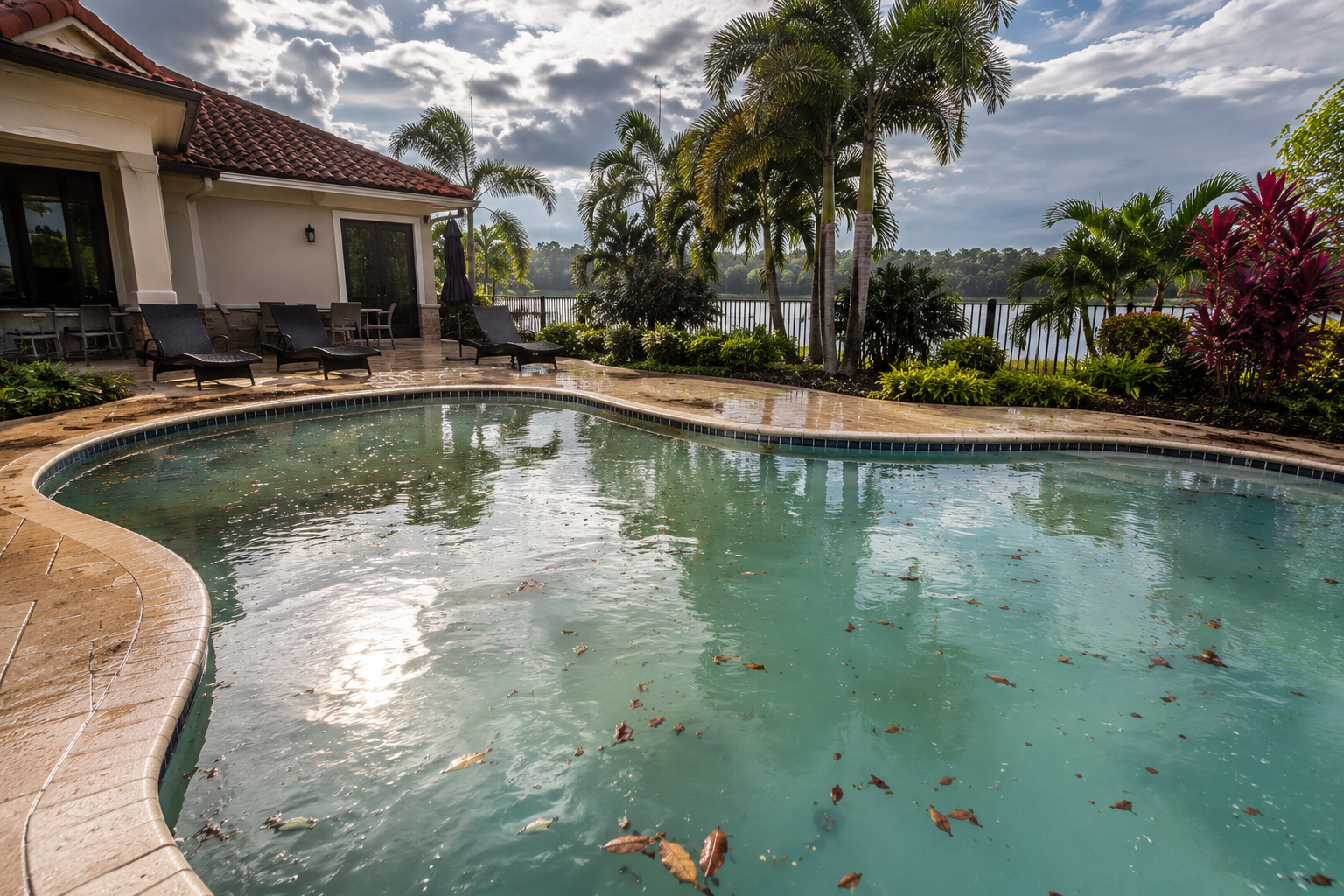
Florida’s heat and humidity create ideal conditions for algae growth. Pools that experience inconsistent chemical balance, poor circulation, or infrequent brushing are more vulnerable to black algae development.
Several factors contribute to black algae in pool walls:
• Low chlorine levels
• Poor water circulation
• Inconsistent pool maintenance
• High phosphate levels
• Warm water temperatures
• Lack of regular brushing
Pools throughout Melbourne, Viera, Suntree, and surrounding Brevard County communities are especially vulnerable during the summer months when heat and rainstorms affect water chemistry more rapidly.
Why Black Algae Is So Difficult to Remove
One reason black algae in pool walls is so frustrating is because it protects itself with multiple layers. Even when chlorine kills surface growth, the roots often remain beneath the surface.
This is why many homeowners notice algae returning shortly after treatment.
Unlike standard algae blooms, black algae usually requires:
• Aggressive brushing
• Proper chemical balancing
• Specialized algae treatment
• Consistent filtration
• Repeated cleaning and monitoring
Ignoring the issue often allows the algae to spread deeper into the pool surface over time.
Signs You May Have Black Algae
Not all dark spots inside a pool are black algae, but there are several common warning signs.
Signs of black algae in pool walls include:
• Black or dark blue circular spots
• Rough texture when touched
• Spots returning after shocking the pool
• Growth near steps, corners, or shaded areas
• Persistent chlorine demand
Many homeowners searching for answers about black algae in pool walls notice that traditional pool shock treatments temporarily improve the issue before the spots return again.
Can Black Algae Damage Your Pool?
Yes. If left untreated, black algae can eventually damage pool surfaces and create long-term maintenance issues.
Over time, black algae can:
• Stain plaster surfaces
• Spread into porous materials
• Create ongoing chlorine imbalance
• Increase chemical usage
• Reduce overall water quality
Because black algae roots deeply into surfaces, professional treatment is often necessary to fully eliminate it.
How Professional Pool Maintenance Helps Prevent Black Algae
Routine pool maintenance is one of the best ways to prevent black algae growth before it becomes severe.
At Aloha Pool Pros, our weekly maintenance services help homeowners maintain balanced water chemistry and identify early warning signs before algae spreads.
Professional weekly maintenance typically includes:
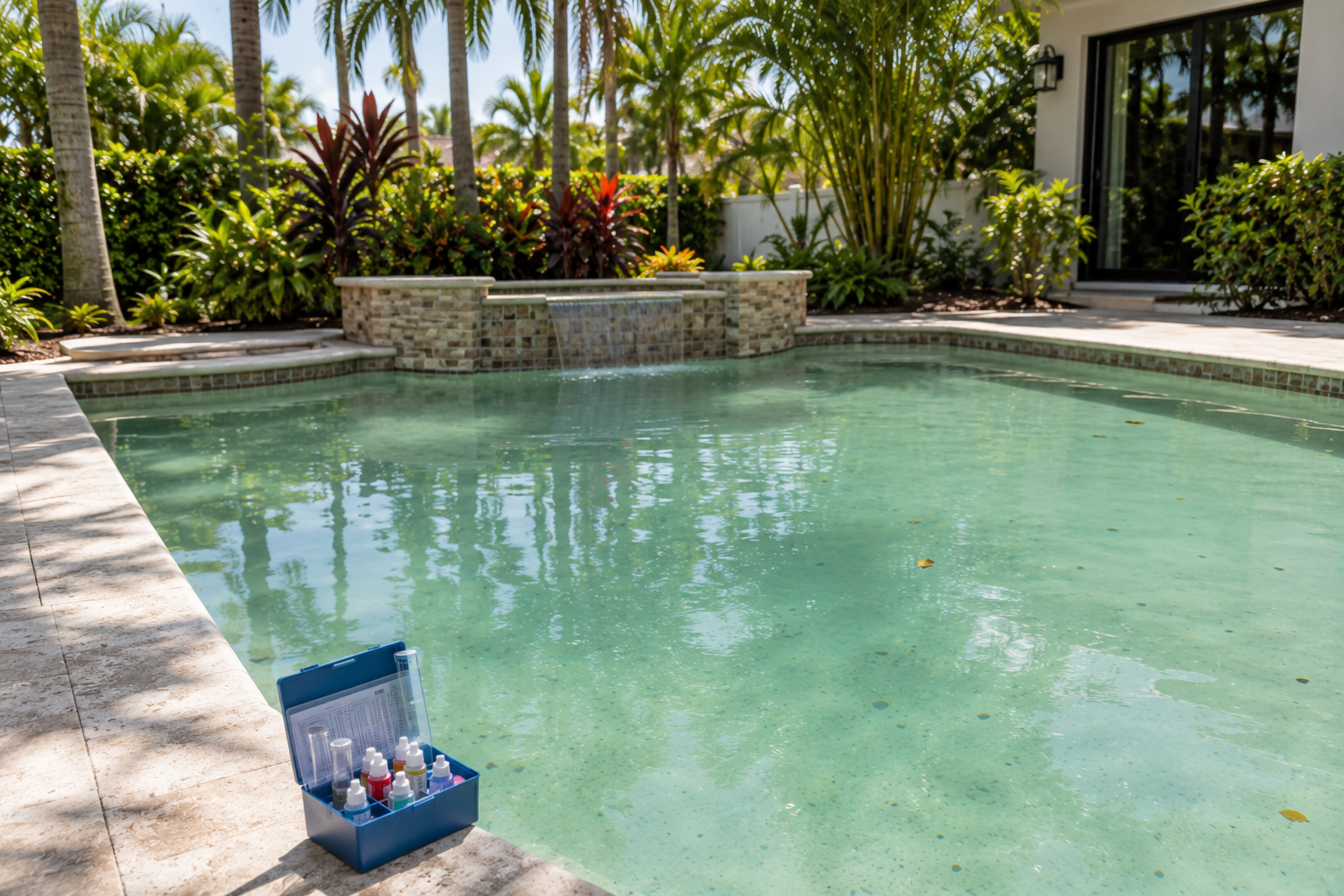
• Water testing and balancing
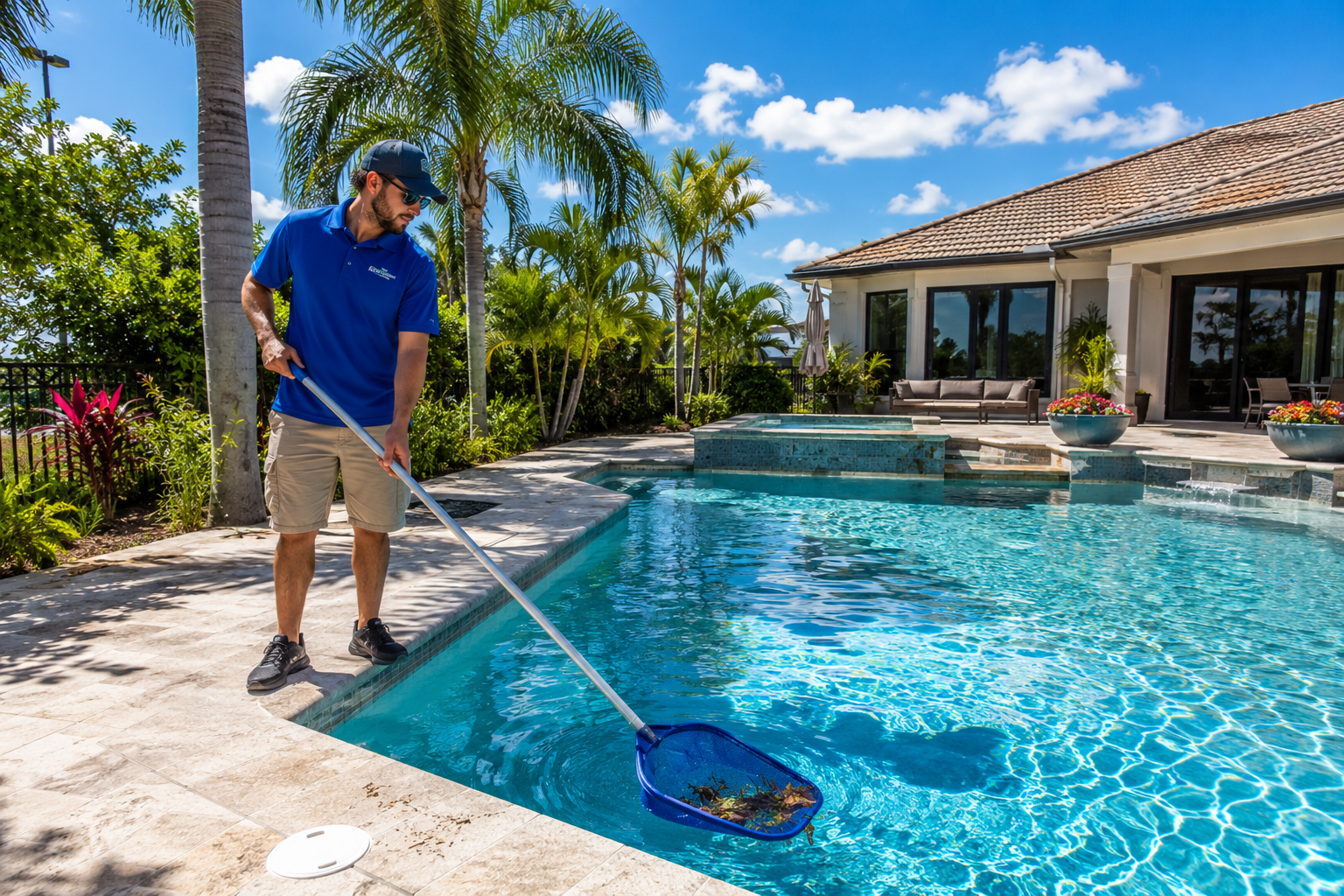
• Pool brushing and vacuuming
• Chlorine adjustment
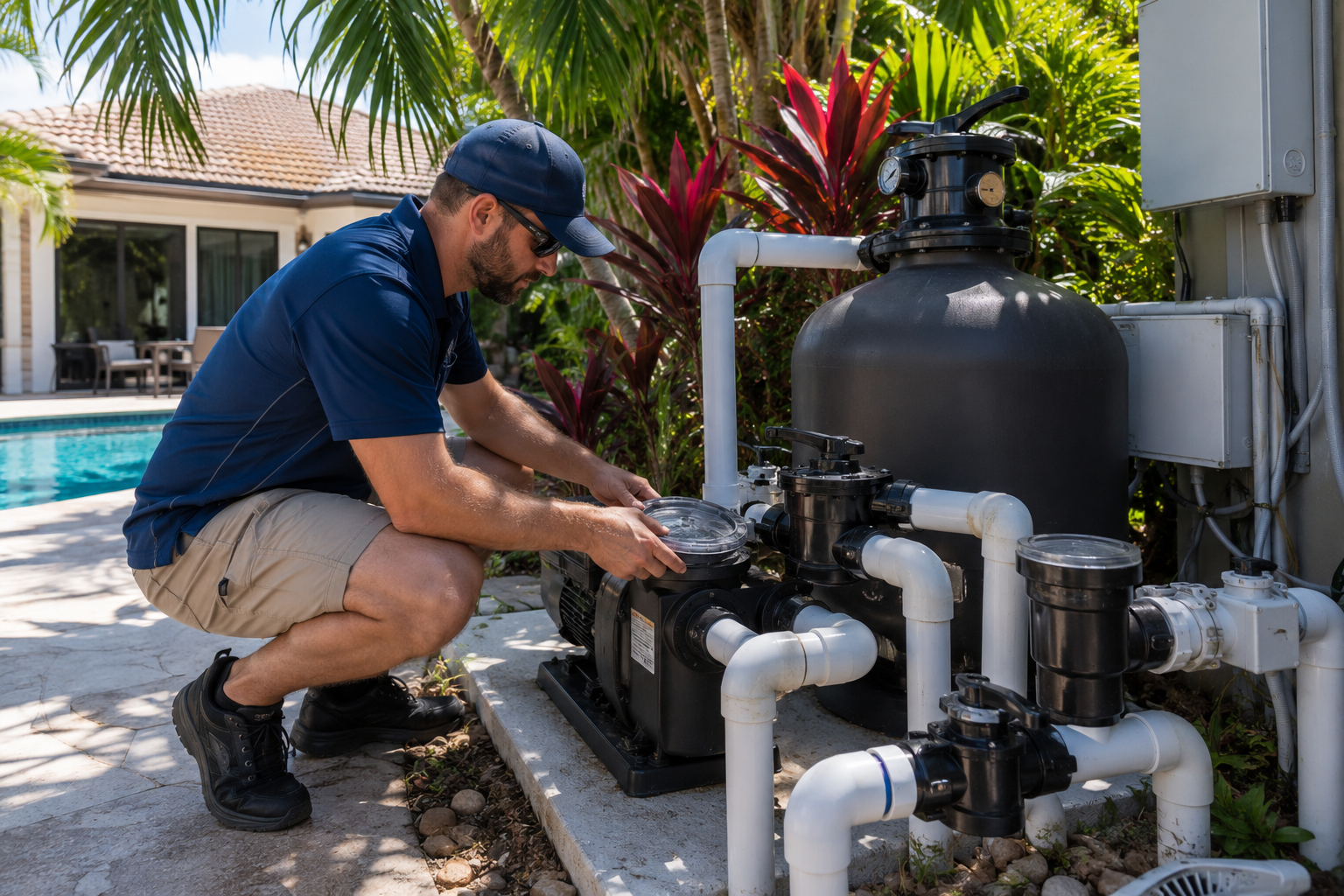
• Equipment inspection
• Filter monitoring
• Debris removal
Consistent maintenance reduces the likelihood of black algae in pool walls while helping pools remain clean and swim-ready year-round.
Learn more about weekly pool maintenance here:
https://alohapoolpros.com/weekly-pool-services-viera-suntree-brevard/
Why Florida Pools Need Consistent Water Balance
Florida’s environment creates constant pressure on pool chemistry. Heat, rain, humidity, and debris all affect sanitizer levels and circulation.
When water chemistry becomes unstable, algae growth becomes much more likely.
According to the Centers for Disease Control and Prevention, maintaining proper sanitizer levels and filtration is essential for safe pool operation and preventing bacteria growth.
Learn more about pool safety recommendations here:
https://www.cdc.gov/healthywater/swimming/
Homeowners throughout Brevard County often schedule weekly maintenance to help stay ahead of Florida’s changing weather conditions and prevent algae outbreaks before they begin.
How to Remove Black Algae From Pool Walls
Successfully removing black algae usually requires a combination of aggressive brushing, chemical balancing, and ongoing maintenance.
The treatment process often includes:
• Brushing algae repeatedly
• Adjusting chlorine levels
• Applying algae treatment products
• Cleaning filters thoroughly
• Monitoring water chemistry closely
Because black algae roots deeply into pool surfaces, the process can take time depending on how severe the growth has become.
Many homeowners eventually hire professional pool service because recurring algae growth can become difficult and time-consuming to manage alone.
Preventing Black Algae From Returning
The best way to prevent black algae in pool walls is through consistent weekly maintenance and balanced pool chemistry.
Homeowners in Melbourne, Viera, Suntree, Cocoa, Satellite Beach, and surrounding Brevard County communities often rely on professional pool maintenance to prevent recurring algae problems.
Regular brushing, filtration, and chemical balancing help stop algae growth before it becomes severe.
Schedule Weekly Pool Service Today
If you are dealing with black algae in pool walls, professional maintenance can help restore your pool and prevent the problem from returning.
Aloha Pool Pros provides reliable weekly pool cleaning services throughout Brevard County, helping homeowners maintain balanced, algae-free pools year-round.
Learn more or request service here:
https://alohapoolpros.com/weekly-pool-services-viera-suntree-brevard/